What Billiards Players Can Learn From Winter Olympians
Nicky Defraeye
Champion Mindset Coach

A billiards table is quiet. A Winter Olympic start gate is not.
But the moment before a pressure shot and the moment before a downhill run have something in common: your body knows what's at stake. Heart rate up. Thoughts speeding up. One mistake can change the whole story.
That's why I love watching winter sports through a billiards lens. Not for the highlights — for the invisible skills that decide the outcome: preparation routines, attention control, fast resets, and the ability to execute when your emotions are loud.
The 'ideal line': what alpine speed skiing teaches us about patterns
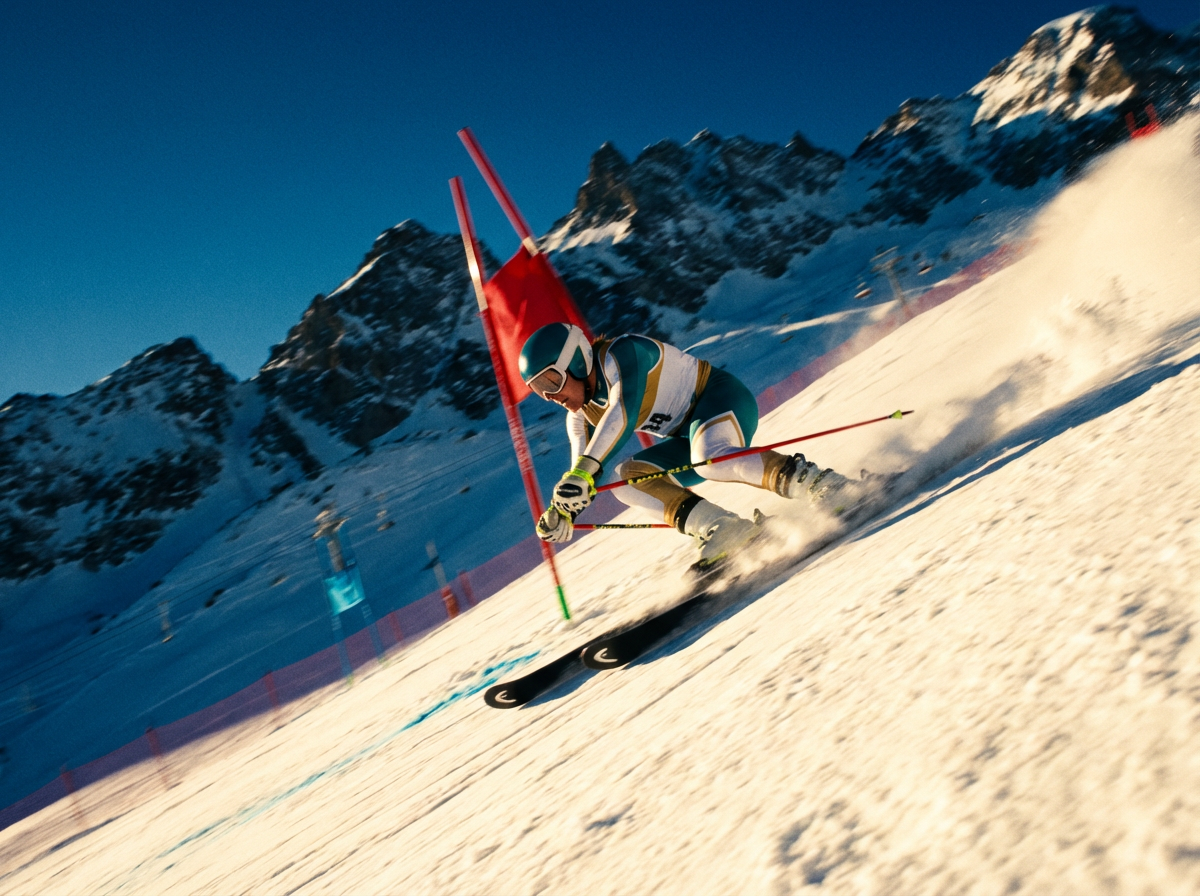
In downhill and Super-G, skiers can hit 150 km/h. They have a narrow window to hold the ideal line. A small error costs time. A bigger one can end in a crash.
What most people don't see is how much of the performance happens before the athlete even moves.
They inspect the course at slow speed. Then, if weather allows, they do training runs at race speed. They collect information: where the snow changes, where the terrain pulls you off line, where you must commit.
And then, right before the start, you'll see something that looks almost like a ritual. A few physical movements. A few breaths. Eyes closed. The skier 'skis' the course in their mind — turn by turn.
That last visualization isn't motivational. It's a final rep.
Your billiards version
Walk into a match like you're inspecting a course:
- •How fast is the table today?
- •How lively are the rails?
- •What's the room like — noise, light, distractions?
Then choose your 'ideal line': a simple plan you can repeat.
- •What tempo do you want?
- •When you're unsure, do you attack — or do you play the smarter safety?
- •What's your one rule that keeps you out of trouble?
And before the first break, take 30 seconds: close your eyes and run 3–5 situations you expect. Not the trophy moment — the moments that decide racks: a tough long pot, a safety exchange, a pressure shot after a miss.
The comeback: Brignone and the non-linear road back
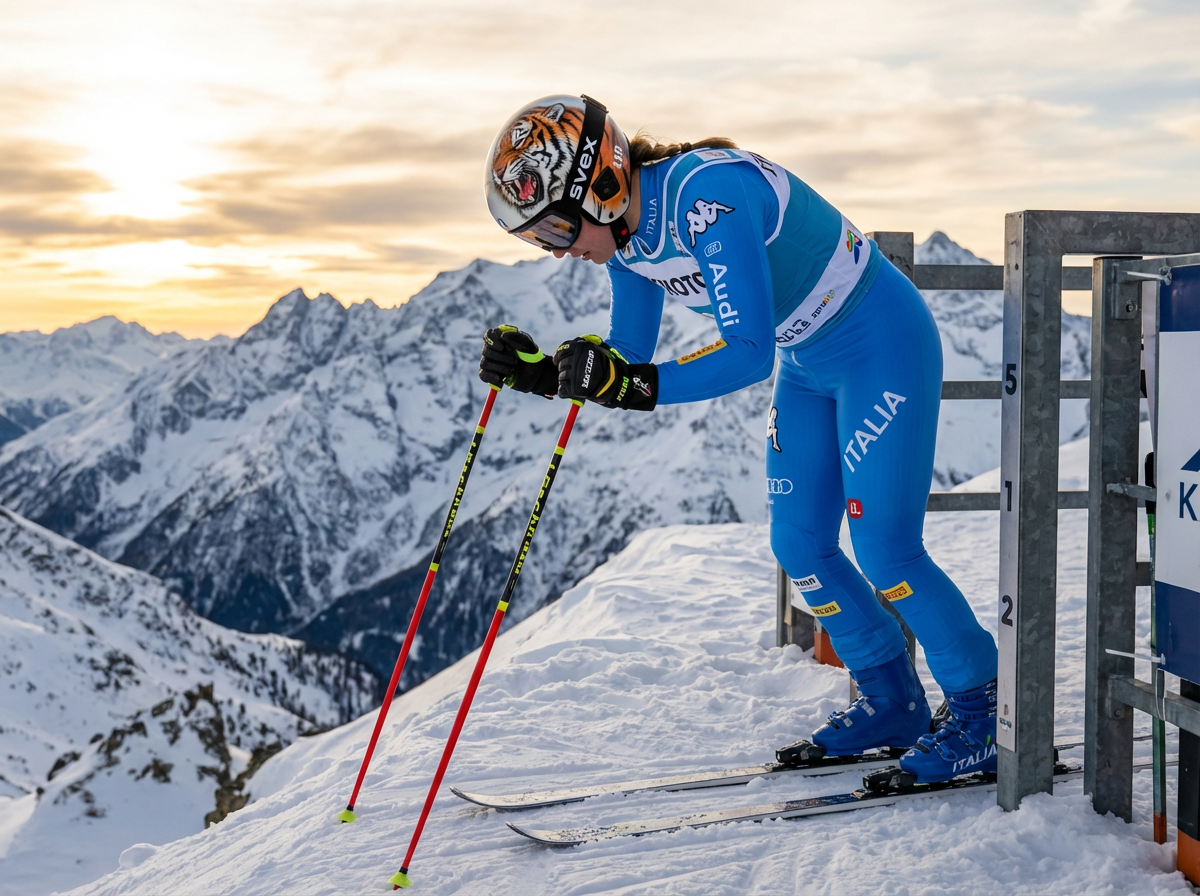
Some Olympic stories look like miracles. Federica Brignone's comeback is one of them.
After a severe leg injury (triple fracture with ruptured knee tendons), she was in a race against the clock. Recovery. Rehab. Training again. Constant adjustments — because the road back is never straight. Then a return to competition just before the Olympics — and two gold medals.
The lesson isn't 'be tough.' It's this: your mindset must be flexible enough to handle a non-linear journey.
Your billiards version
Most players have a comeback season at some point:
- •a long break
- •a slump
- •a health issue
- •a confidence crash after a bad tournament
The trap is judging yourself only by results while you're rebuilding. That creates impatience. Impatience creates rushed decisions.
Instead, rebuild like an athlete:
- •Did I commit to my routine?
- •Did I make good decisions under pressure?
- •Did I reset quickly after mistakes?
When results are unstable, your process has to be stable.
The noise: Vonn and the skill of protecting your focus

Visibility always attracts noise.
Lindsey Vonn's story is a reminder of that. She retired after years of injuries. A titanium knee replacement made skiing possible again. She came back at 41 and put results on the board: podiums, wins, and the kind of form that makes people believe.
And still — the criticism never really stops. Then crashes arrived at the worst time, pushing her back into recovery, and the noise got louder.
Here's the uncomfortable truth: people are loudest when you're vulnerable.
Your billiards version
If you play leagues, tournaments, or post matches online, you know it:
- •one bad day becomes a story
- •advice arrives from people who weren't in your shoes
- •'experts' appear when you're struggling
Use a simple filter:
- •Signal: feedback that helps you execute better
- •Noise: commentary that only increases emotion or doubt
Mute what doesn't help you play the next shot.
Precision under fatigue: biathlon and the 'pressure rack'
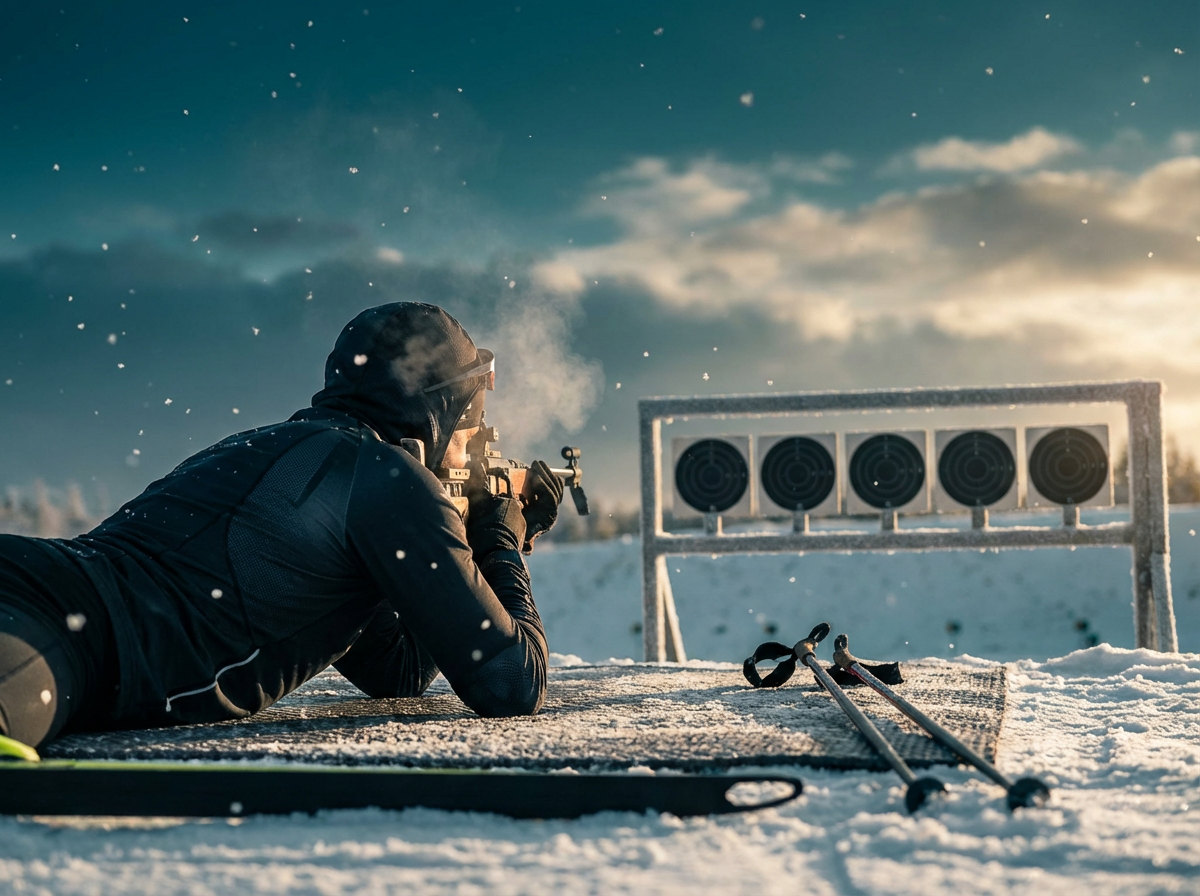
Biathlon is one of the cleanest demonstrations of mental skill in sport.
Athletes ski hard — heart rate high, legs burning, breath chaotic — and then they must shoot with precision. Wind changes. Snow storms hit. They have seconds to adjust. No time to spiral.
That's billiards under pressure.
Your body gets loud when:
- •you're nervous
- •you're tired
- •you're angry after a miss
- •you're thinking about the score
And the shot still needs calm.
Your billiards version: train the switch (chaos to calm)
Try this on purpose in practice, not only in matches:
- •One long exhale before you step in
- •Quiet eyes: pick one exact point (contact point / cue-ball target)
- •One cue word: 'smooth', 'still', 'commit'
In biathlon, thinking about missing is already missing. Same in billiards.
The reset: Schizas, Malinin, and what happens after the mistake
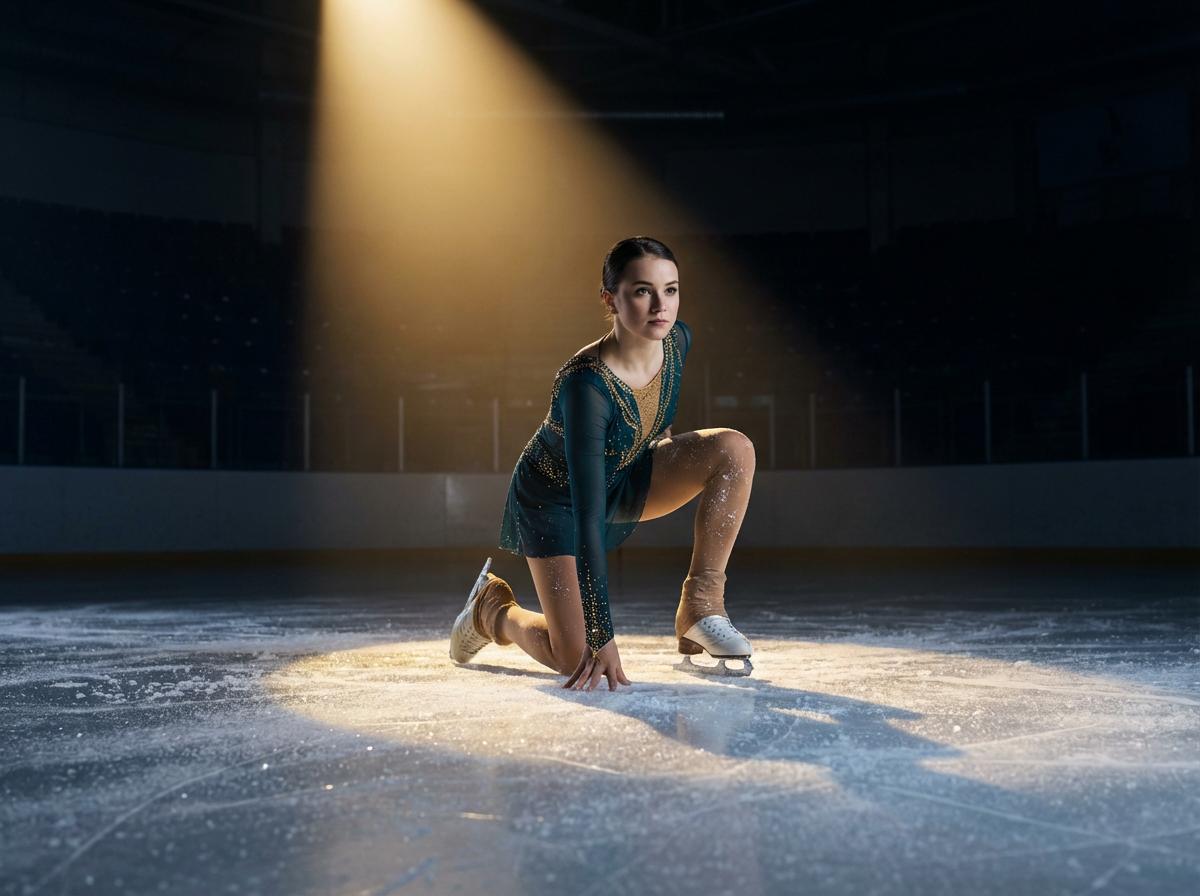
Figure skating is unforgiving. One moment can change everything. That's why it's such a good mirror for billiards.
Madeline Schizas fell early and still delivered a strong performance. That's not 'confidence'. That's a trained reset.
Ilia Malinin, dominant for years, faced a different kind of Olympic pressure: spotlight, narratives, expectations. Sometimes the trap is identity — when you start skating (or playing) to protect an image instead of executing your process.
Your billiards version: the 3-second reset
When you miss, you don't need a speech. You need a reset:
- •Name it: 'Ok, miss.'
- •Exhale: longer out-breath
- •Next task: 'Play the table' / 'Smart safety' / 'One ball'
And remember the identity trap: the moment you think 'I can't miss now', you're no longer on the shot — you're on your reputation.
Build a process identity instead: 'I execute my routine. One decision at a time.'
The reality female athletes perform in: Amber Glenn and the invisible variable
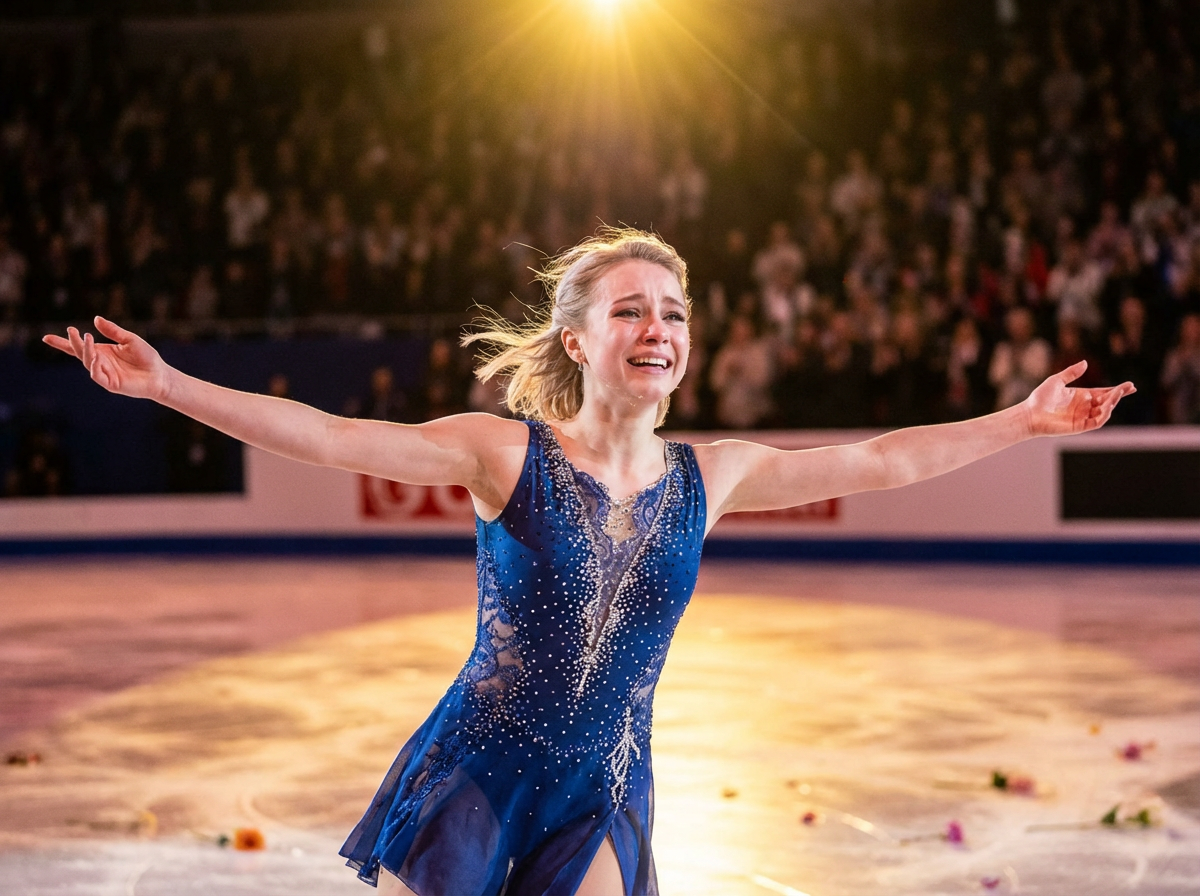
Amber Glenn spoke openly about performing during her period at the Olympics. That conversation matters — not because it diminishes what female athletes can do, but because it highlights a reality that's too often ignored: women perform in a body that doesn't operate the same way every day.
Hormonal fluctuations throughout the menstrual cycle can affect energy, focus, pain tolerance, emotional regulation, and fine motor control. PMS symptoms, menstrual pain, and shifts in mood or fatigue aren't signs of weakness — they're biological realities that elite athletes learn to navigate.
The difference isn't capability. It's variability. A female athlete may feel sharp and powerful one week, and heavier, more emotional, or less precise the next — not because something is wrong, but because her body is doing what it's designed to do.
That's why adaptability and acceptance become essential performance skills. The athlete who understands her own cycle — and adjusts her preparation accordingly — has a real advantage over the one who tries to perform the same way every day regardless.
What does that look like in practice?
- Adapted nutrition: Increased need for iron, magnesium, and anti-inflammatory foods during certain phases. Adjusting carbohydrate and protein intake to match energy demands. Staying ahead of fatigue instead of reacting to it.
- Adapted mental preparation: Recognizing that emotional sensitivity may be higher at certain times — and adjusting self-talk, visualization intensity, and expectations without lowering ambition.
- Adapted physical training: Matching training load to where you are in your cycle. Some phases support high intensity; others call for recovery, technique work, or lighter sessions.
None of this means performing less. It means performing smarter — working with your body instead of against it.
And when setbacks happen — a bad day, a missed opportunity, a performance that doesn't reflect your preparation — resilience looks like what Amber Glenn showed: she made a mistake, came back with a strong free skate, and climbed the rankings. Not by ignoring what her body was going through, but by making a clear next decision anyway.
That's the deeper lesson: resilience isn't about pretending everything is equal. It's about accepting the reality you're in — and still finding a way to compete at your best within it.
Your billiards version
This applies to any player, but especially to women competing in long tournaments or intense league seasons:
- •Track how you feel across weeks — not just your results, but your energy, focus, and emotional state
- •Build flexibility into your preparation: what works in week one of your cycle may not work in week three
- •On harder days, lean more on routine and process — they carry you when raw sharpness isn't fully there
- •Fuel and recover with intention: nutrition, sleep, and movement aren't extras — they're part of your performance system
The players who understand their own patterns — and plan around them — don't just survive tough days. They compete through them.
The takeaway: systems beat motivation
Different sports. Same pattern:
- •Elite performance is built on routines you repeat
- •Pressure is managed through attention control
- •Mistakes are inevitable; resets are trainable
- •The best performers do rely on motivation — but their motivation comes from quality goals and systems, not just the result. Because results always depend on external factors you can't fully control.
If you take one thing from winter Olympians into billiards this week, make it this: build a routine you can repeat under pressure — and practice the reset as much as you practice the shot.
About Nicky Defraeye
Certified Methode Target coach, former competitive billiard player, and founder of Champion Mindset Coaching. Helping players unlock their full potential through proven mindset techniques.
Book a Free Discovery Call