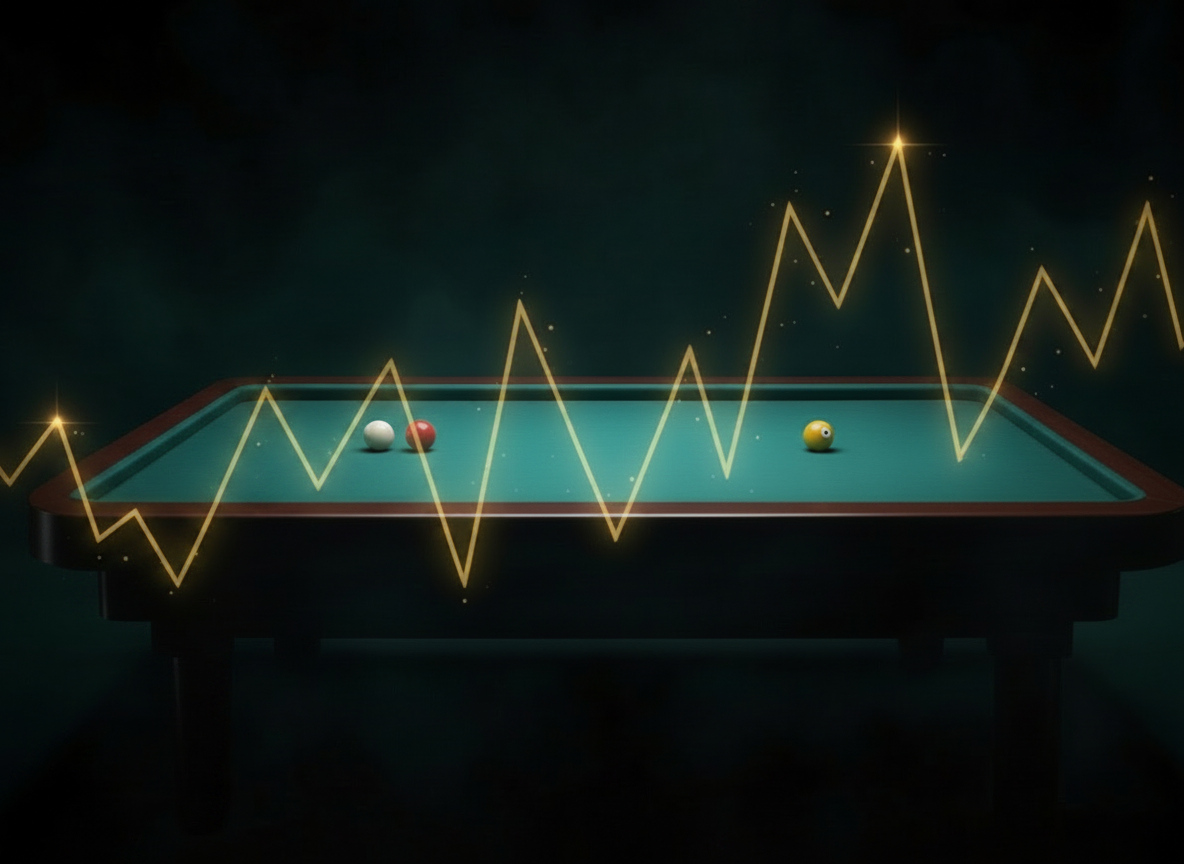
As we move toward the end of the season in most competitions, something important happens: the pressure starts to drop, the calendar opens up, and a break is coming. For many players, that break feels like relief, but it's also one of the best moments of the year to make real progress.
Not by playing more matches or extra practice time. But by stepping back.
Think of it like switching from microscope view (shot-to-shot, match-to-match) to panorama view: seeing the whole season in one picture.
Step 1: Zoom out and review the whole season
When you're in the middle of competition, your brain is busy surviving: results, ranking, opponents, nerves, travel, training. At the end of the season you finally have space to ask better questions.
Start with what went well. Don't skip this part.
- •Where did you improve compared to last year?
- •What progress did you make in your game, your routine, your mindset, your physical condition?
- •What achievements are you proud of (even small ones)?
- •Which matches were "proof" that your level is rising?
This is not ego. This is evidence. And evidence builds confidence for next season.
Step 2: Make the struggles tangible (without hardwiring them)
Now look at what didn't go as you wished — but do it with the same calm, analytical mindset you'd use to study a position on the table.
Maybe you struggled against certain competitors.
Maybe it was specific situations:
- •High-tension matches where you couldn't close the game
- •Inconsistency across the season (good peaks, but too many dips)
- •Stamina issues in tournaments with multiple matches per day or consecutive days
- •More nerves than usual, or difficulty handling distractions
- •Physical issues that influenced your performance
- •Cue action changes under pressure
- •"The yips" (as they call it in snooker): a sudden loss of smooth execution
Here's the key: don't keep these things looping in your head. If they stay vague and emotional, they become heavier. If you write them down, they become workable.
Writing is not "dwelling." Writing is externalizing.
- •It stops the problem from lingering in your mind.
- •It prevents you from replaying it over and over (and hardwiring it into your system).
- •It turns a foggy frustration into a clear training target.
A simple debrief format (10 minutes)
Write two lists:
- •What I want to keep (strengths, habits, routines, decisions)
- •What I want to change (patterns, weak moments, recurring issues)
Keep it honest and specific. "I choke" is not useful. "In the last 20% of matches, my breathing gets shallow and I rush" is useful.
Step 3: Shift from past season to next season
Once you've reviewed the season, the next step is to turn the page — not by forgetting, but by choosing direction.
A powerful question:
Where would I like to be halfway next season? And where at the end of next season?
Not just in ranking or results — but in the player you are becoming.
Ask yourself:
- •If the same struggles repeat next season, would I be okay with that… or would it bother me?
- •Do I want to make the exact same analysis again next year?
- •What do I want to tackle now, while there is time and space?
This is where many players stay stuck: they want change, but they don't translate it into a plan.
Step 4: Set goals you can actually control
A goal like "I want to win more" is understandable — but it's too vague and too dependent on opponents.
Instead, build goals that are tangible and controllable.
Examples:
- •Consistency goal: "I will train my pre-shot routine 4x/week and track it after every match."
- •Pressure goal: "I will practice closing sets with a specific breathing + reset routine."
- •Stamina goal: "I will build tournament endurance with 2 longer sessions per week and recovery protocols."
- •Focus goal: "I will train distraction control using a simple refocus cue between points."
A good goal answers three things:
- •What exactly will I do?
- •How often?
- •How will I measure it?
Step 5: Use the break like a champion
The break is not only for rest — it's for integration.
- •Rest your nervous system (sleep, recovery, low-pressure sessions)
- •Review your season with panorama view
- •Decide what you keep, what you change
- •Set 1–3 priorities for next season
- •Build a simple plan you can follow consistently
You don't need a perfect plan. You need a plan you'll actually do.
A final thought
End of season is a gift: it gives you distance. And distance gives you clarity.
#ChampionMindset #BilliardsMindset #MentalPerformance